You may know more about this scene than I do, or you may have an amazing story revolving around a similar thing you saw. I'd love to hear it. Submit your story below, and if it's appropriate I'll post it here for all to read. For the benefit of a larger audience, please use English, even if it is not the best English.
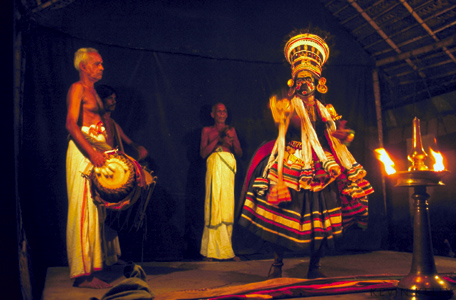
Traditional dance
By the light of coconut oil, traditional dancers act out the relgious sagas of southern India.






Your Story
You may know more about this scene than I do, or you may have an amazing story revolving around a similar thing you saw. I'd love to hear it. Submit your story below, and if it's appropriate I'll post it here for all to read. For the benefit of a larger audience, please use English, even if it is not the best English.